The world of theme park ride failure attorneys is a complex and intriguing one, filled with legal expertise and a dedication to seeking justice for victims. This article delves into the crucial role these attorneys play, the investigation process they undertake, liability issues, and safety regulations governing theme park rides.
Let's embark on a journey to uncover the nuances of this specialized legal field.
Legal Expertise
Theme park ride failure attorneys play a crucial role in representing individuals who have been injured or affected by accidents or malfunctions on theme park rides. These attorneys specialize in handling cases related to theme park accidents, ensuring that their clients receive proper legal representation and compensation for any damages incurred.
Examples of Cases
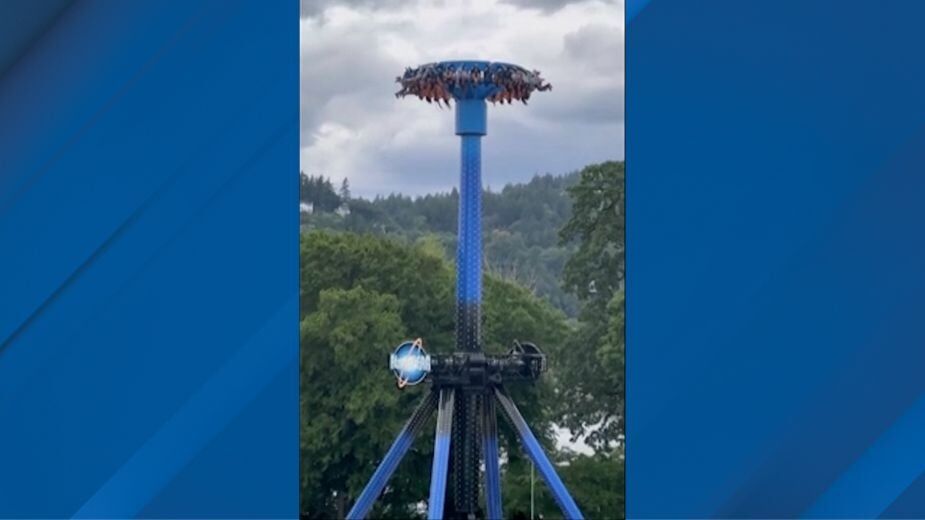
- In 2016, a theme park ride malfunctioned, causing multiple injuries to riders. A theme park ride failure attorney was involved in representing the injured parties and ensuring they received compensation for their medical expenses and pain and suffering.
- In another case, a theme park visitor suffered whiplash injuries due to a roller coaster malfunction. The theme park ride failure attorney helped the individual file a lawsuit against the park for negligence and inadequate safety measures.
Qualifications and Skills
Specializing in theme park ride failure cases requires a unique set of qualifications and skills. Attorneys in this field must have:
- A strong background in personal injury law to navigate the complexities of theme park accident cases.
- In-depth knowledge of amusement park regulations and safety standards to identify any violations that may have led to the accident.
Investigation Process
When investigating a theme park ride failure, it is crucial to follow a systematic approach to gather evidence and determine liability.
Steps Involved:
- Initial Assessment: The investigation begins with a thorough examination of the accident scene and the ride itself to identify any potential causes of the failure.
- Witness Interviews: Gathering statements from witnesses who were present during the incident can provide valuable insights into what happened.
- Documentation Review: Analyzing maintenance records, inspection reports, and any relevant documentation can help in understanding the history of the ride and any previous issues.
- Expert Analysis: Consulting with engineers, safety experts, and other professionals can help in determining the technical aspects of the failure.
- Testing and Simulation: Conducting tests or simulations to recreate the conditions of the accident can help in validating hypotheses and identifying the root cause.
Collection and Analysis of Evidence:
Evidence in theme park ride failure cases can include physical artifacts, witness statements, documentation, video footage, and expert opinions. Each piece of evidence is carefully collected, preserved, and analyzed to reconstruct the sequence of events and establish liability.
Importance of Thorough Investigation:
A comprehensive investigation is essential in determining liability in theme park ride failure cases. It helps in uncovering the root cause of the failure, identifying responsible parties, and preventing similar incidents in the future. Without a thorough investigation, it can be challenging to hold the negligent parties accountable and ensure justice for the victims.
Liability and Compensation
When it comes to theme park ride failure cases, determining liability and exploring compensation options are crucial aspects of the legal process. In these unfortunate situations, various parties could be held accountable for the injuries sustained by victims. Understanding the potential liabilities and the types of compensation available can help victims seek justice and support their recovery.
Parties Liable in Theme Park Ride Failure Cases
In theme park ride failure cases, the following parties could potentially be held liable for the injuries and damages suffered by victims:
- The theme park operator: Responsible for ensuring the safety and maintenance of the ride, as well as providing proper training to staff members.
- The ride manufacturer: If the ride malfunctioned due to a design flaw or manufacturing defect, the manufacturer could be held accountable for the injuries caused.
- Third-party maintenance companies: If contracted maintenance companies failed to properly inspect or service the ride, leading to the accident, they could also face liability.
Types of Compensation for Victims
Victims of theme park ride failures may be entitled to various types of compensation, including:
- Medical expenses: Coverage for current and future medical treatments related to the injuries sustained in the accident.
- Lost wages: Compensation for the income lost due to the inability to work during recovery.
- Pain and suffering: Damages awarded for the physical and emotional distress caused by the accident.
- Loss of enjoyment of life: Compensation for the impact the injuries have on the victim's ability to participate in daily activities or hobbies.
Determining Liability in Theme Park Ride Failure Cases
Liability in theme park ride failure cases is typically determined by assessing the negligence of the parties involved. Factors such as maintenance records, employee training, ride inspection reports, and design specifications are considered to establish who is responsible for the accident.
This differs from other personal injury cases as the unique nature of theme park rides and the regulations surrounding them require a specialized approach to determining liability.
Safety Regulations
Theme park rides are subject to strict safety regulations to ensure the well-being of riders. These regulations are put in place by regulatory bodies to minimize the risk of accidents and injuries.
Compliance Impact on Liability
Compliance with safety regulations plays a crucial role in determining liability in ride failure cases. If a theme park fails to adhere to these regulations and an accident occurs, they may be held accountable for negligence. On the other hand, if all safety measures are followed, it can help mitigate liability.
Regulatory Bodies Role
- Regulatory bodies such as the International Association of Amusement Parks and Attractions (IAAPA) and the Occupational Safety and Health Administration (OSHA) play a vital role in ensuring theme park ride safety. They conduct regular inspections, set standards, and provide guidelines to park operators to maintain a safe environment for visitors.
- These regulatory bodies collaborate with theme parks to establish best practices and protocols for ride safety, including maintenance schedules, staff training, and emergency procedures.
- In the event of a ride failure, regulatory bodies may conduct investigations to determine the cause of the incident and ensure that corrective actions are taken to prevent similar accidents in the future.
Final Summary
As we conclude our exploration of theme park ride failure attorneys, it becomes evident that their work is essential in upholding safety standards and seeking compensation for those affected by ride failures. This specialized area of law requires a unique skill set and a deep understanding of the complexities involved in such cases.
Essential FAQs
What types of cases do theme park ride failure attorneys handle?
Theme park ride failure attorneys specialize in cases involving accidents, injuries, and fatalities resulting from malfunctions or negligence on amusement park rides.
How do theme park ride failure attorneys determine liability in cases?
Theme park ride failure attorneys investigate the circumstances of the incident, gather evidence, and analyze safety regulations to determine which parties could be held liable for the ride failure.
What compensation can victims of theme park ride failures seek?
Victims of theme park ride failures may be entitled to compensation for medical expenses, lost wages, pain and suffering, and other damages resulting from the incident.