Aviation Accident Lawyer: Determining Liability in Private Plane and Helicopter Crashes sets the stage for this enthralling narrative, offering readers a glimpse into a story that is rich in detail and brimming with originality from the outset.
Exploring the nuances of liability determination in aviation accidents involving private planes and helicopters unveils a complex legal landscape that demands expert navigation.
Overview of Aviation Accident Liability
Aviation accidents involving private planes and helicopters can result in devastating consequences, leading to injuries, fatalities, and property damage. Determining liability in such cases is crucial to ensure justice for the victims and their families.
Legal Frameworks for Determining Liability
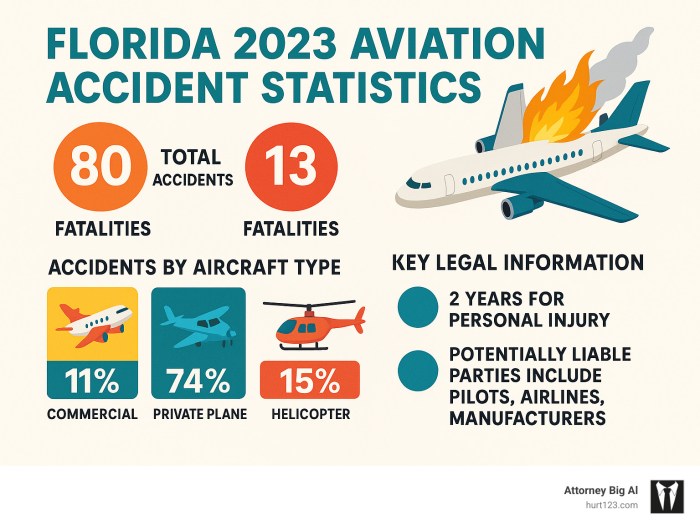
In the United States, aviation accident liability is governed by a combination of federal regulations, state laws, and common law principles. The Federal Aviation Administration (FAA) sets safety standards and regulations for all aviation activities, while state laws may come into play when determining liability for negligence or other legal claims.
Common law principles, such as the duty of care and standard of care, also play a significant role in assessing liability.
Key Factors Considered in Determining Liability
Pilot Error
One of the most common causes of aviation accidents is pilot error, which can include mistakes in navigation, judgment, or decision-making.
Mechanical Failure
Defective aircraft parts or maintenance issues can lead to accidents, making manufacturers or maintenance providers potentially liable.
Weather Conditions
Adverse weather conditions, such as fog, rain, or strong winds, can contribute to accidents and may impact liability.
Air Traffic Control
Miscommunications or errors by air traffic controllers can also play a role in aviation accidents and liability determination.
Negligence
Negligent behavior by any party involved in the operation of the aircraft, such as the pilot, maintenance crew, or air traffic controllers, can result in liability.Each of these factors, along with other specific circumstances surrounding the accident, will be carefully examined to determine the liable parties and the extent of their responsibility in private plane and helicopter crashes.
Role of Aviation Accident Lawyers
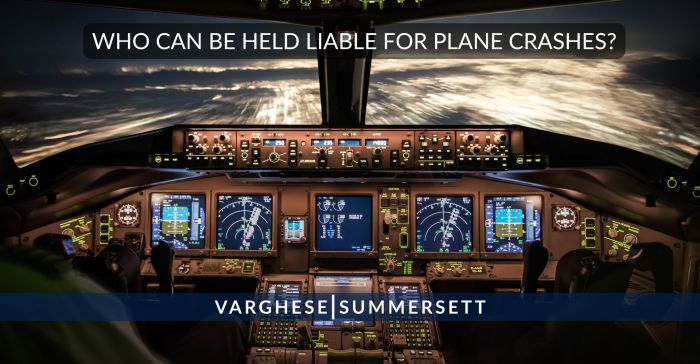
Aviation accident lawyers play a crucial role in investigating private plane and helicopter crashes, working tirelessly to determine liability and seek justice for victims and their families. Their specialized legal expertise in aviation law is essential in navigating the complexities of these cases.
Investigating the Accident
Aviation accident lawyers conduct thorough investigations into the circumstances surrounding the crash, analyzing flight data, maintenance records, pilot backgrounds, and other pertinent information to uncover the cause of the accident.
- They work closely with aviation experts to reconstruct the sequence of events leading up to the crash, identifying any potential negligence or wrongdoing.
- By gathering evidence and interviewing witnesses, aviation accident lawyers build a strong case to hold responsible parties accountable for their actions.
Working with Different Parties
Aviation accident lawyers collaborate with various parties involved in the accident, including insurance companies, aircraft manufacturers, maintenance providers, and regulatory agencies, to determine liability and negotiate settlements on behalf of their clients.
It is crucial for aviation accident lawyers to maintain open communication with all stakeholders to ensure a fair resolution and uphold the rights of their clients.
Importance of Specialized Legal Expertise
Aviation accident cases require a deep understanding of aviation regulations, industry standards, and complex legal concepts specific to air travel. Aviation accident lawyers possess the knowledge and experience needed to navigate the intricate legal landscape and advocate effectively for their clients.
- Their expertise allows them to identify liability, assess damages, and pursue compensation for injuries, loss of life, and other damages resulting from aviation accidents.
- By staying up-to-date on changes in aviation law and industry practices, aviation accident lawyers can provide informed guidance and representation to their clients throughout the legal process.
Factors Influencing Liability Determination
When it comes to determining liability in private plane and helicopter crashes, several factors come into play that can significantly impact the outcomes of investigations and legal proceedings.
Comparing Liability Considerations
Private plane accidents and helicopter crashes are distinct in their own right, each with unique liability considerations.
- Private Plane Accidents:
- Ownership and maintenance of the aircraft
- Pilot qualifications and experience
- Flight route and adherence to regulations
- Helicopter Crashes:
- Role of the pilot versus the maintenance crew
- Differences in flight dynamics compared to fixed-wing aircraft
- Specific regulations governing helicopter operations
Impact of Human Error and Mechanical Failure
Human error and mechanical failure are often at the forefront of investigations into aviation accidents.
- Human Error:
- Errors in judgment or decision-making by the pilot
- Failure to follow proper procedures or protocols
- Miscommunication among crew members
- Mechanical Failure:
- Defective parts or equipment malfunctions
- Inadequate maintenance or inspection practices
- Potential manufacturer defects
Weather Conditions and Other Factors
External factors like weather conditions can also play a significant role in determining liability in aviation accidents.
- Weather Conditions:
- Visibility issues due to fog, rain, or snow
- Turbulent weather affecting flight stability
- Crosswinds or other atmospheric conditions impacting landings
- Other Factors:
- Air traffic control errors
- Miscommunication between ground control and pilots
- Potential third-party liability, such as faulty fuel supply or maintenance services
Legal Process in Aviation Accident Cases
When it comes to handling aviation accident cases, the legal process is crucial in determining liability and seeking justice for the victims involved.
Evidence Collection and Analysis
In aviation accident cases, evidence collection and analysis are paramount in determining liability. This includes reviewing flight data recorders, maintenance records, eyewitness testimonies, and expert analysis to reconstruct the events leading to the accident.
Litigation and Settlement Procedures
- After gathering evidence, the next step involves litigation, where legal proceedings are initiated to hold the responsible parties accountable. This may involve filing lawsuits against airlines, manufacturers, or maintenance providers.
- Settlement procedures may also be pursued, where parties involved negotiate to reach a settlement without going to trial. This can expedite the process and provide compensation to the victims and their families.
- Legal experts, including aviation accident lawyers, play a crucial role in guiding the victims through the complex legal process and ensuring their rights are protected.
Conclusive Thoughts
As we conclude this exploration of Aviation Accident Lawyer: Determining Liability in Private Plane and Helicopter Crashes, it becomes evident that the realm of aviation law is multifaceted and requires specialized knowledge to navigate successfully.
Q&A
What legal frameworks determine liability in private plane and helicopter crashes?
Liability in these cases is often determined by factors such as negligence, aircraft maintenance issues, pilot error, and more.
How do aviation accident lawyers work with different parties involved in the accident?
Aviation accident lawyers collaborate with insurance companies, regulatory bodies, aircraft manufacturers, and other stakeholders to navigate the legal complexities of such cases.
What role does human error play in liability determination in private plane and helicopter crashes?
Human error can significantly impact liability determination, especially when it involves pilot mistakes, air traffic controller errors, or negligence on the part of maintenance crews.
What are the key steps in the legal process for handling aviation accident cases?
The legal process involves evidence collection, analysis, litigation, and potentially settlement negotiations to determine liability and seek compensation for victims.