Delving into Crane Accident Claims: Who Is at Fault When Heavy Lifting Equipment Fails?, this introduction immerses readers in a unique and compelling narrative, with a casual formal language style that is both engaging and thought-provoking from the very first sentence.
Exploring the legal complexities and accountability in crane accidents can shed light on the intricate nature of such incidents.
Legal Considerations
When it comes to crane accidents, determining liability is a crucial aspect of the legal process. In such cases, various factors are taken into account to establish who is at fault and responsible for the damages incurred.
Concept of Liability in Crane Accidents
- Liability in crane accidents is often determined based on negligence or breach of duty by the parties involved.
- This can include the crane operator, the construction company, the manufacturer of the crane, or even the site owner.
- Proving liability requires evidence that the responsible party failed to uphold the necessary safety standards or regulations.
Examples of Legal Cases
- In the case of -Crane v. Construction Co.*, the court found the construction company liable for the accident due to inadequate maintenance of the crane.
- *Manufacturer v. Operator* is another example where the manufacturer was held liable for a crane accident caused by a defect in the equipment.
Jurisdiction and Regulations
- The jurisdiction in which the accident occurred plays a significant role in determining liability, as laws and regulations can vary between states or countries.
- Regulations set by organizations such as OSHA (Occupational Safety and Health Administration) also impact liability, as non-compliance can result in legal consequences.
- Understanding the legal framework and regulations in a specific jurisdiction is crucial for all parties involved in crane accident claims.
Factors Contributing to Crane Accidents
Crane accidents can occur due to various factors, ranging from equipment failure to human error and environmental conditions. Understanding these factors is crucial in preventing such accidents and ensuring safety in construction sites.
Common Reasons for Crane Equipment Failure
- Overloading: Exceeding the crane's maximum weight capacity can lead to structural failure and collapse.
- Poor Maintenance: Neglecting regular inspections and maintenance can result in mechanical failures.
- Defective Parts: The use of faulty or substandard crane parts can compromise the equipment's integrity.
- Improper Assembly: Incorrect assembly of crane components can weaken the structure and increase the risk of accidents.
Role of Human Error in Crane Accidents
- Lack of Training: Inadequate training and experience can result in improper operation of the crane.
- Communication Errors: Misunderstandings or lack of clear communication between crane operators and ground personnel can lead to accidents.
- Ignoring Safety Procedures: Failure to follow safety protocols and guidelines can increase the likelihood of accidents.
Environmental Factors Leading to Accidents
- Weather Conditions: Strong winds, rain, or snow can affect the stability and operation of cranes.
- Uneven Ground: Operating cranes on unstable or uneven surfaces can cause tipping or collapse.
- Obstructions: Presence of obstacles or power lines near the crane's path can result in collisions and accidents.
Safety Regulations and Compliance
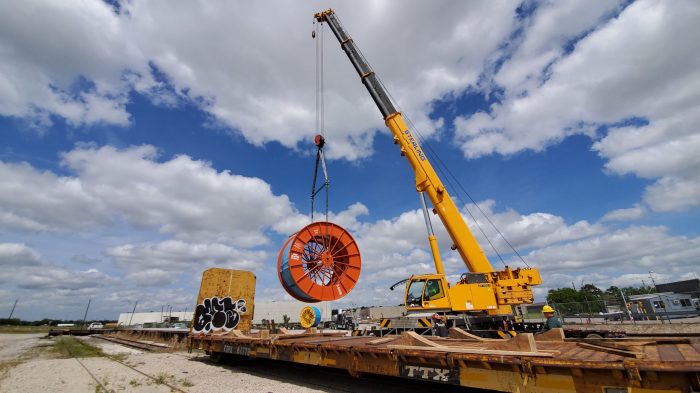
Ensuring the safety of crane operations is paramount to prevent accidents and injuries. Adherence to standard safety protocols is crucial in maintaining a safe working environment.
Standard Safety Protocols for Crane Operations
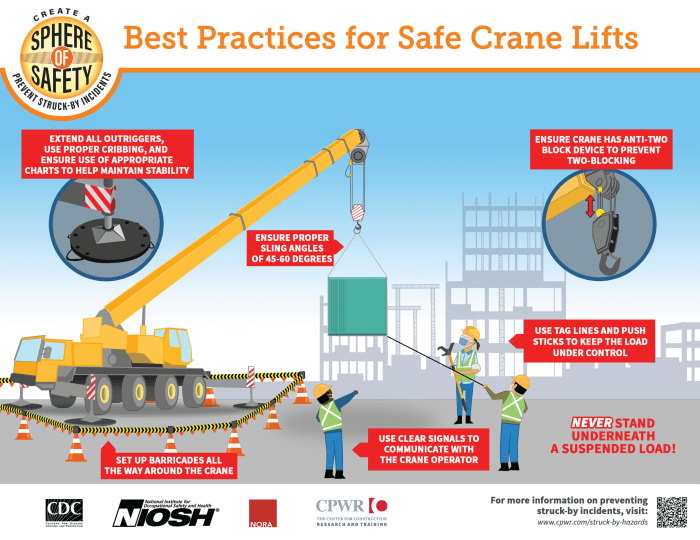
When it comes to crane operations, there are specific safety guidelines that need to be followed to ensure the well-being of workers and prevent accidents. Some of the standard safety protocols include:
- Proper training and certification for crane operators
- Regular inspection and maintenance of cranes and lifting equipment
- Clear communication between all personnel involved in the lifting operation
- Establishing exclusion zones to keep workers away from the crane's swing radius
- Using proper rigging techniques and equipment
Comparison of Safety Guidelines Across Industries
While the basic safety principles for crane operations remain consistent across industries, there may be specific guidelines tailored to different sectors. For example, the construction industry may have additional safety measures related to working at height, while the manufacturing industry may focus on precise load handling techniques.
Consequences of Non-Compliance with Safety Regulations
Failure to comply with safety regulations can have severe consequences, including:
- Accidents resulting in injuries or fatalities
Insurance Coverage and Compensation
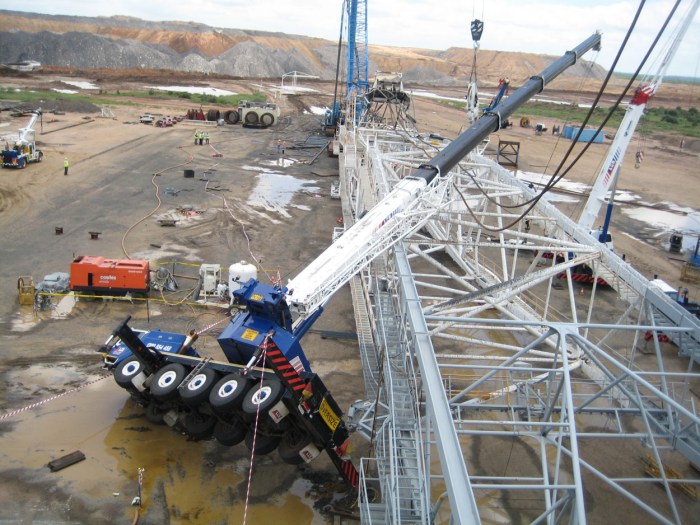
When it comes to crane accidents, insurance coverage plays a crucial role in determining the compensation that the victims are entitled to. Let's take a closer look at the types of insurance coverage available, examples of compensation awarded, and the process of filing insurance claims after a crane accident.
Types of Insurance Coverage for Crane Accidents
Insurance coverage for crane accidents typically includes:
- General Liability Insurance: Covers bodily injury and property damage caused by crane accidents.
- Workers' Compensation Insurance: Provides benefits to employees injured in crane accidents while on the job.
- Equipment Insurance: Covers damage to the crane and other equipment involved in the accident.
- Professional Liability Insurance: Protects crane operators and companies from claims of negligence or errors.
Examples of Compensation Awarded in Crane Accident Claims
Compensation awarded in crane accident claims may include:
- Medical expenses
- Lost wages
- Pain and suffering
- Rehabilitation costs
- Wrongful death benefits
Process of Filing Insurance Claims After a Crane Accident
After a crane accident, the process of filing insurance claims involves:
- Reporting the accident to the insurance company.
- Gathering evidence, such as witness statements and medical records.
- Submitting the claim with all necessary documentation.
- Working with the insurance adjuster to assess the damages and negotiate a settlement.
- Receiving compensation for the losses incurred due to the crane accident.
Summary
In conclusion, understanding the nuances of liability and safety in crane accidents is crucial for all stakeholders involved. By delving into these aspects, one can better navigate the complexities of crane accident claims.
Top FAQs
Who is typically liable in crane accidents?
Liability in crane accidents often falls on the party responsible for maintenance, operation, or oversight of the crane. This can include the crane operator, construction company, or equipment manufacturer.
What are some common reasons for crane equipment failure?
Common causes of crane equipment failure include overloading, mechanical malfunctions, poor maintenance, and improper operation.
How do safety regulations differ across industries that use heavy lifting equipment?
Safety regulations can vary based on industry standards and specific equipment used. While some guidelines are universal, others are tailored to the unique challenges of each industry.
What types of insurance coverage are available for crane accidents?
Insurance coverage for crane accidents can include liability insurance, workers' compensation, and equipment insurance to protect against damages and injuries.