Delving into Industrial Explosion Attorney: Holding Chemical Plants Accountable for Negligence, this introduction immerses readers in a unique and compelling narrative, with engaging and thought-provoking content from the very first sentence.
Exploring the legal responsibilities and consequences surrounding industrial explosions caused by negligence in chemical plants brings to light the critical role of industrial explosion attorneys in seeking justice for victims.
Legal Overview
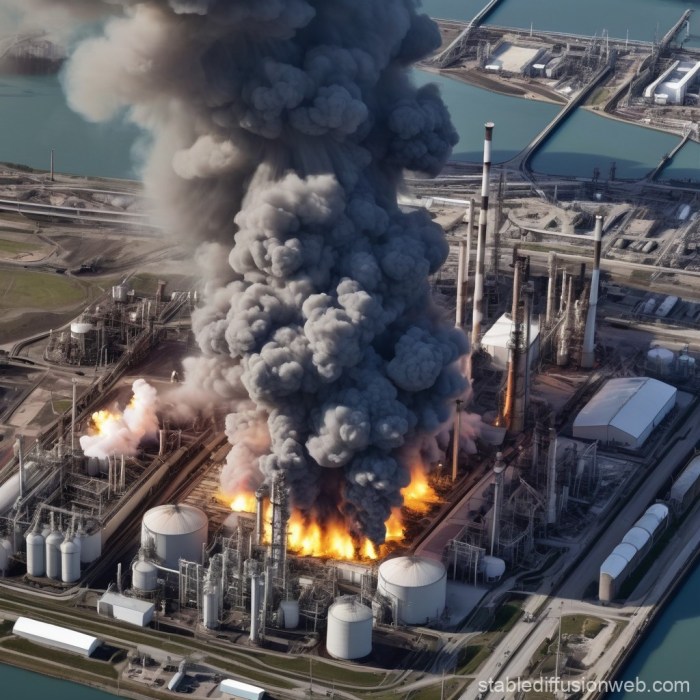
In the realm of industrial explosions, holding chemical plants accountable for negligence involves navigating a complex legal framework designed to uphold safety standards and protect workers and communities. Various laws and regulations exist to regulate industrial safety and ensure that companies adhere to strict protocols to prevent catastrophic incidents.
Industrial explosion attorneys play a crucial role in representing victims affected by these disasters and seeking justice on their behalf.
Relevant Laws and Regulations
- The Occupational Safety and Health Act (OSHA) sets forth guidelines and regulations for workplace safety, including the handling of hazardous materials in chemical plants.
- The Clean Air Act imposes standards on air quality and emissions, which can be relevant in cases where chemical plants fail to maintain proper ventilation systems.
- The Comprehensive Environmental Response, Compensation, and Liability Act (CERCLA) holds parties responsible for hazardous waste releases and provides mechanisms for cleanup and compensation.
Role of Industrial Explosion Attorneys
Industrial explosion attorneys are tasked with investigating the causes of industrial accidents, gathering evidence of negligence or safety violations, and representing victims in legal proceedings. They work to hold chemical plants accountable for their actions or lack thereof, seeking compensation for medical expenses, lost wages, and pain and suffering experienced by those affected.
These attorneys play a crucial role in advocating for justice and ensuring that companies prioritize safety to prevent future disasters.
Causes of Industrial Explosions
Industrial explosions in chemical plants can have devastating consequences, often resulting in loss of life, extensive damage, and environmental contamination. These explosions are typically caused by a combination of factors, including negligence in safety protocols, inadequate maintenance procedures, and improper storage of hazardous materials.
Common Causes of Industrial Explosions
- Equipment Failure: Malfunctioning equipment such as valves, pipes, or storage tanks can lead to leaks or pressure build-up, increasing the risk of explosions.
- Human Error: Mistakes made by workers in handling dangerous chemicals or operating machinery can result in catastrophic accidents.
- Combustible Dust: Accumulation of combustible dust particles in the air can ignite and trigger explosions, especially in areas with poor ventilation.
Impact of Negligence in Safety Protocols and Maintenance Procedures
- Failure to conduct regular inspections, implement proper safety measures, or provide adequate training to employees can create hazardous conditions that contribute to explosions.
- Lack of adherence to maintenance schedules and failure to address equipment issues promptly increase the likelihood of accidents occurring.
Improper Storage of Hazardous Materials
- Storing flammable or reactive chemicals in close proximity to each other without proper segregation can lead to chemical reactions and explosions.
- Inadequate containment measures for hazardous materials can result in leaks, spills, or releases that pose a significant risk to plant workers and the surrounding community.
Investigation Process
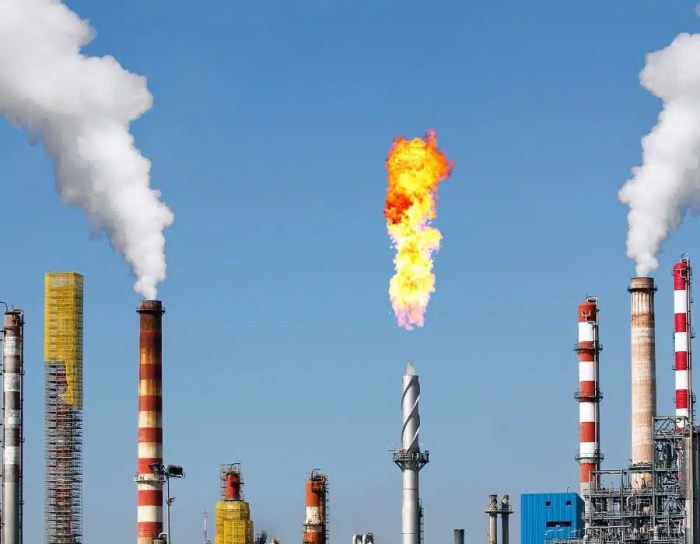
In the aftermath of an industrial explosion, a thorough investigation is crucial to determine the cause and hold the responsible parties accountable. This process involves a series of steps to collect and analyze evidence in order to establish liability.
Collecting Evidence
- First responders secure the scene to prevent further damage and ensure safety.
- Evidence such as debris, equipment, witness statements, and surveillance footage is gathered and documented.
- Experts may be brought in to assess the site and collect samples for analysis.
Analysis for Liability
- Forensic experts examine the evidence to determine the cause of the explosion, whether it was due to equipment failure, human error, or other factors.
- Investigators look for any violations of safety regulations or industry standards that may have contributed to the incident.
- Analysis of maintenance records and inspection reports can reveal any negligence or lack of proper upkeep that led to the explosion.
Expert Testimony
Expert testimony plays a crucial role in proving negligence in industrial explosion cases. These professionals provide specialized knowledge and opinions based on their expertise in areas such as engineering, chemistry, and safety protocols. Their testimony can help establish the standard of care that should have been followed, identify deviations from this standard, and demonstrate how negligence led to the explosion.
Compensation and Damages
Industrial explosions can result in devastating consequences for victims, including physical injuries, emotional trauma, and financial losses. In such cases, victims may be entitled to various forms of compensation to help them recover and move forward.
Types of Compensation Available
- Medical expenses coverage for treatment of injuries sustained in the explosion.
- Lost wages compensation for time off work due to injuries or recovery.
- Pain and suffering damages for the physical and emotional distress caused by the explosion.
- Property damage reimbursement for any personal belongings or assets affected by the incident.
How Damages are Calculated
In cases of industrial explosions, damages are typically calculated based on the extent of the injuries, the impact on the victim's life, and the negligence of the responsible party. Factors such as medical bills, lost income, and emotional suffering are taken into account to determine a fair compensation amount.
Examples of Past Settlements
One notable case involved a chemical plant explosion that resulted in severe injuries to multiple workers. The victims filed a lawsuit against the plant for negligence, leading to a settlement that covered their medical expenses, lost wages, and pain and suffering.
Last Point
In conclusion, the discussion on Industrial Explosion Attorney: Holding Chemical Plants Accountable for Negligence sheds light on the complexities of legal frameworks, investigation processes, and compensation aspects involved in such cases. It emphasizes the importance of accountability and safety in industrial settings to prevent catastrophic incidents.
Quick FAQs
What laws govern holding chemical plants accountable for industrial explosions?
The legal framework includes regulations like OSHA standards and environmental laws that impose responsibilities on chemical plants to ensure safety and prevent negligence.
What are some common causes of industrial explosions in chemical plants?
Common causes include equipment failure, improper maintenance, human error, and inadequate safety protocols.
How are damages calculated for victims of industrial explosions?
Damages are calculated based on factors like medical expenses, lost wages, pain and suffering, and the long-term impact on the victim's life.