Kicking off with Offshore Accident Lawyer: How Long-Shore and Harbor Workers' Rights Differ, this opening paragraph is designed to captivate and engage the readers, setting the tone casual formal language style that unfolds with each word.
As we delve into the nuances of Longshore and Harbor Workers' Compensation Act (LHWCA) and how it differs from the Jones Act, it becomes clear that understanding the rights of maritime workers is crucial in legal matters.
How Longshore and Harbor Workers’ Compensation Act (LHWCA)
The Longshore and Harbor Workers' Compensation Act (LHWCA) is a federal law that provides medical benefits, compensation, and rehabilitation services to maritime workers who are injured or become ill while working on navigable waters or adjoining areas.
Key Provisions of LHWCA
- Provides coverage for employees engaged in maritime employment, such as longshore workers, harbor workers, ship repairers, and shipbuilders.
- Defines the scope of covered injuries and illnesses that occur during the course of employment.
- Establishes the process for filing claims and receiving benefits.
- Artikels the responsibilities of employers, insurance carriers, and the Department of Labor in administering claims.
Types of Injuries Covered under LHWCA
- Injuries resulting from accidents at work, such as falls, machinery accidents, or transportation incidents.
- Occupational diseases or illnesses caused by exposure to hazardous substances or conditions in the workplace.
- Injuries due to repetitive stress or strain from performing job duties over time.
Filing a Claim under LHWCA
- Report the injury to your employer immediately and seek medical treatment.
- Complete Form LS-201, Employee's Claim for Compensation, and submit it to the employer and the Office of Workers' Compensation Programs (OWCP).
- Provide all necessary medical records and documentation to support your claim.
- Attend any required medical evaluations or hearings related to your claim.
Differences between LHWCA and Jones Act
The Longshore and Harbor Workers' Compensation Act (LHWCA) and the Jones Act are two important pieces of legislation that provide different protections and benefits to workers in maritime industries. Let's delve into the distinctions between the two laws to understand when each applies.
Eligibility Criteria
The eligibility criteria for LHWCA and the Jones Act differ significantly. LHWCA covers employees engaged in maritime employment, such as longshore workers, harbor workers, and shipbuilders, regardless of whether they are on land or over water. On the other hand, the Jones Act applies to seamen who spend a significant amount of their work time on a vessel in navigation.
Benefits Provided
LHWCA provides disability benefits, medical treatment, and compensation for lost wages to covered workers who suffer work-related injuries or illnesses. In contrast, the Jones Act allows eligible seamen to sue their employers for negligence, seeking damages for injuries caused by the employer's or coworker's negligence.
Scenarios for Application
For example, if a longshore worker is injured while loading a vessel at the dock, they would likely be covered under LHWCA. However, if a seaman is injured due to unsafe conditions on a vessel while at sea, they would likely seek remedies under the Jones Act through a negligence claim against their employer.
Role of an Offshore Accident Lawyer
An offshore accident lawyer plays a crucial role in representing individuals who have suffered injuries while working in maritime-related occupations. These lawyers are specialized in handling cases involving offshore accidents and are well-versed in the unique laws and regulations that govern maritime injury claims.
Responsibilities of an Offshore Accident Lawyer
- Providing legal advice and guidance to clients regarding their rights under maritime laws.
- Investigating the circumstances surrounding the offshore accident to build a strong case.
- Negotiating with insurance companies and other parties to ensure fair compensation for the client.
- Representing clients in court proceedings, if necessary, to seek justice and compensation for their injuries.
Importance of Hiring a Specialized Lawyer for Maritime Injury Cases
It is crucial to hire a specialized offshore accident lawyer for maritime injury cases due to the complex nature of maritime laws and regulations. These lawyers have the expertise and experience necessary to navigate the intricacies of maritime law and ensure that their clients receive the compensation they deserve.
Common Challenges Faced by Offshore Accident Lawyers
- Proving liability in offshore accident cases can be challenging due to the multiple parties involved and the complexities of maritime law.
- Negotiating fair settlements with insurance companies and employers who may try to minimize compensation for the injured worker.
- Dealing with the physical and emotional toll that offshore accidents can have on their clients while advocating for their rights.
Recent Developments in Offshore Accident Law
In recent years, there have been significant developments in offshore accident law that have had a direct impact on the rights of long-shore and harbor workers. These changes have not only influenced legal proceedings but also affected the compensation claims of workers in the maritime industry.
Impact of New Legislation
One of the key developments is the introduction of new legislation aimed at enhancing the safety and protection of offshore workers. These laws have imposed stricter regulations on employers and companies operating in the maritime sector to ensure the well-being of their employees.
Changes in Compensation Guidelines
There have been updates in the compensation guidelines for long-shore and harbor workers, leading to improved benefits and coverage for injured employees. These changes have enabled workers to receive fair compensation for medical expenses, lost wages, and other related costs resulting from offshore accidents.
Increased Accountability of Employers
Recent developments have also focused on holding employers accountable for any negligence or violations that contribute to offshore accidents. This shift towards increased accountability has led to a greater emphasis on safety protocols and risk management practices within maritime companies.
Ending Remarks
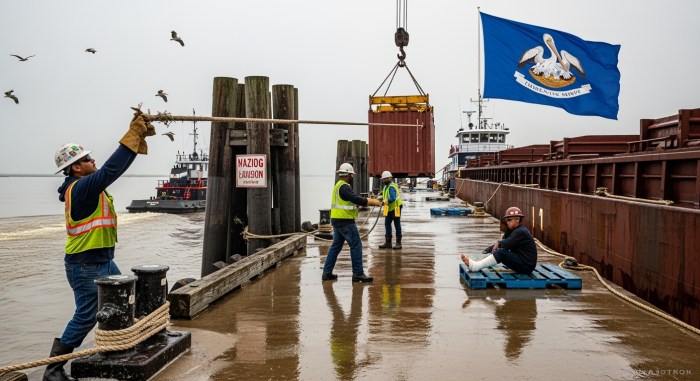
In conclusion, the realm of offshore accident law is complex yet essential for protecting the rights of long-shore and harbor workers. By recognizing the distinct differences in legal frameworks and the role of specialized lawyers, individuals can navigate these challenging waters with confidence.
FAQ Guide
What types of injuries are covered under LHWCA?
Injuries such as falls, equipment malfunctions, and occupational illnesses are typically covered under LHWCA.
How does eligibility differ between LHWCA and the Jones Act?
LHWCA covers land-based maritime workers, while the Jones Act is specific to seamen who contribute to the vessel's mission.
What are the benefits of hiring an offshore accident lawyer?
An offshore accident lawyer can provide specialized knowledge in maritime law and navigate the complexities of compensation claims effectively.